Shopping Centre Roof Installation Melbourne South
If you need a shopping centre roof installation Melbourne south, you’re dealing with one of the most complex commercial roofing environments in the industry. Shopping centres and retail precincts rely on high-performance roofing systems because roof failure doesn’t just cause inconvenience — it can impact tenants, disrupt trading, damage customer areas, and create costly liability risks.
At Commercial Roof Restoration Melbourne, we provide professional roof installation solutions for shopping centres, retail complexes, strip malls, and large-format stores across Melbourne’s southern suburbs. Our work focuses on long-term waterproofing performance, reliable drainage, and durable detailing around roof penetrations and high-traffic rooftop access zones.
To speak with a commercial roofing team experienced in retail environments, visit our homepage:
https://commercialroofingvic.com.au
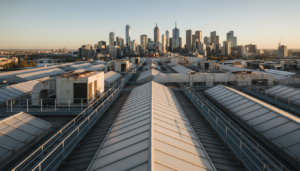
Why Shopping Centre Roofing Is Different to Standard Commercial Roofing
Shopping centre roofs are high-risk and high-complexity projects due to building size, roof layout, rooftop plant density, and the operational need to keep trading uninterrupted. Unlike industrial sites, shopping centres have public-facing areas, customer pathways, and strict requirements for leak prevention and safety compliance.
A successful shopping centre roof installation Melbourne south project should deliver:
- Watertight performance to protect tenants, customers and internal assets
- Strong drainage capacity for large roof catchments and storm events
- Durable flashing and waterproofing detailing around penetrations and transitions
- Minimal disruption to trading, deliveries and tenant operations
- Long-term maintenance efficiency for centre management and owners
Shopping centre roofs can include multiple roof zones, different materials, plant decks, service corridors and drainage systems. This is why retail roofing projects require specialist planning and commercial-grade workmanship.
Retail Precincts and Commercial Zones Across Melbourne South
Melbourne’s south includes major shopping and retail corridors where roof installation and replacement projects are common due to building age, commercial upgrades, tenant changes, and ongoing maintenance requirements.
Shopping centre and retail roofing work often takes place across suburbs such as:
- Cheltenham and surrounding retail precincts
- Moorabbin and high-traffic commercial strips
- Mentone and bayside retail corridors
- Mordialloc and mixed retail and hospitality zones
- Springvale and high-use commercial areas
- Noble Park and local shopping complexes
- Keysborough and developing commercial estates
- Frankston and major retail and business zones
These areas experience strong foot traffic, constant trade operations, and high customer expectations — which increases the importance of reliable roof protection.
Local Risk Factors for Shopping Centre Roofs in Melbourne South
Retail roofs in Melbourne south face a mix of environmental exposure and operational stress. A professional roof installation must be designed for storm resilience, drainage reliability, and corrosion management — especially where coastal air and heavy rainfall combine.
Heavy Rainfall and Large Roof Catchment Volume
Shopping centres often have wide roof spans with multiple drainage points and long gutter runs. During heavy rainfall, large roof catchments produce high runoff volume. If drainage is undersized or blocked, overflow can occur quickly and lead to internal water damage.
Shopping centre roof leakage can cause:
- Water entry into tenancy ceilings and retail fit-outs
- Slip hazards in customer areas
- Damage to signage, lighting and internal services
- Disruption to trading and centre operations
Drainage performance is one of the most important aspects of any shopping centre roof installation Melbourne south project.
Rooftop Plant Equipment and Penetration Density
Retail roofs typically contain high-density rooftop systems such as air-conditioning units, ductwork, exhausts, and mechanical services. Every penetration and plant base is a potential leak pathway if flashing and waterproofing details are not completed correctly.
This is one of the main reasons shopping centre roofs develop recurring leaks in older buildings where patch repairs were completed without addressing underlying detailing issues.
Wind Exposure and Edge Detailing
Retail buildings often have parapets, awnings, step-down roof zones and transition areas. These edges are exposed to wind uplift forces that can damage flashings if fixings and detailing are not installed properly.
Strong roof edge detailing is critical in Melbourne south commercial zones where gust conditions can increase during storms.
Coastal Moisture and Corrosion Risk (Bayside Retail Areas)
Retail centres closer to bayside Melbourne south corridors can experience increased corrosion risk due to salt-laden air and consistent moisture exposure. Corrosion can start around:
- Roof fixings and fastener points
- Flashings and parapet cappings
- Gutters, box gutters and downpipes
- Penetrations and plant bases
If corrosion is ignored, it can spread quickly and compromise roof waterproofing performance, especially at high-risk junctions.
Shopping Centre Roof Installation Options
Shopping centre roofs often involve a mix of roof types and materials depending on the building design. A reliable installation must account for roof pitch, drainage layout, plant density and rooftop access requirements.
Metal Roofing for Retail Centres
Metal roofing is commonly used for retail centres due to durability, long service life and efficient coverage of large roof areas. When installed properly, it delivers strong performance under Melbourne weather conditions.
Metal roofing can be ideal for:
- Large retail complexes and shopping centres
- Strip malls and neighbourhood shopping hubs
- Large-format retail stores
- Commercial sites with wide roof spans and multiple tenancies
Metal roofs must be detailed carefully around penetrations, parapets and roof transitions to prevent leaks and reduce long-term maintenance costs.
Flat and Low-Slope Roof Zones in Shopping Centres
Many shopping centres contain flat or low-slope roof sections, particularly around plant decks and service corridors. These roof areas require waterproofing strength and drainage performance because water moves more slowly compared to pitched roofs.
A well-installed low-slope retail roof should include:
- Reliable drainage points and overflow protection
- Correct waterproofing details at upturns and penetrations
- Durable sealing methods that account for thermal movement
Insulated Roofing for Temperature Stability
Shopping centres and large retail buildings often have high HVAC demand and large internal volumes. Insulated roofing systems can improve energy efficiency and comfort by reducing temperature swings inside the building.
Insulation can help:
- Reduce summer heat load and internal temperature rise
- Support stable tenant comfort and building efficiency
- Lower HVAC running costs over time
- Reduce condensation risk in roof cavities
Critical Details That Prevent Shopping Centre Roof Leaks
Retail roof leaks are rarely caused by the main roof field alone. Most issues occur at junctions, penetrations, and drainage zones where workmanship quality matters most.
Penetrations Around HVAC and Exhaust Systems
Shopping centres have extensive rooftop HVAC equipment. Penetration flashing must be installed correctly and built to handle ongoing roof movement, service traffic, and wind-driven rain. These areas are among the most common sources of retail roof leaks.
Parapet Walls and Roof Edge Detailing
Retail roof edges are exposed to wind uplift and moisture entry risk. Parapet cappings, flashings, and edge transitions must be secured properly to prevent long-term leakage and corrosion.
Gutters, Box Gutters and Internal Drainage Points
Shopping centres rely on drainage systems that must handle large roof catchment volumes. Box gutters are a common leak zone because they retain water and debris and can corrode over time. Overflow protection is essential to prevent internal water damage during storm events.
Our Shopping Centre Roof Installation Process
We deliver shopping centre roofing projects with a structured process designed to protect tenants, minimise disruption, and deliver long-term performance outcomes.
1) Roof Inspection and Planning
We assess roof layout, drainage systems, plant locations, access routes and exposure conditions. Retail roofing requires careful planning because projects often involve multiple roof zones and high-risk penetration density.
2) Roofing System Selection
We recommend suitable roofing solutions based on roof design, building size, drainage demand and maintenance requirements. The goal is to install a roof system that performs reliably and is serviceable long-term.
3) Staged Installation to Reduce Disruption
Shopping centres must keep trading. We plan staged installation and safe access measures to reduce disruption to tenants, deliveries and customer areas wherever possible.
4) Installation and Quality Checks
We complete installation with strong attention to drainage performance, flashing integrity, and waterproofing details at penetrations and roof edges. Quality checks focus on preventing leaks and ensuring water control across all roof zones.
Why Choose Commercial Roof Restoration Melbourne for Retail Roofing?
Shopping centre roofing requires specialist commercial experience. Our team understands the need for leak prevention, drainage performance, and safe staging that protects tenant operations and customer safety.
- Retail and shopping centre roofing specialists
- Drainage-first planning to prevent overflow and internal water damage
- High attention to penetrations and flashing details
- Local Melbourne south knowledge across retail precincts
- Clear communication with owners, centre managers and facility teams
If you’re planning a shopping centre roof installation Melbourne south, Commercial Roof Restoration Melbourne is ready to deliver a roof built for long-term commercial performance.
Shopping Centre Roof Replacement vs New Installation vs Staged Upgrades
Many shopping centre roofing projects in Melbourne south involve older buildings with complex roof layouts, multiple tenancies, and years of patch repairs. In these situations, centre owners and facility managers often need to decide whether to replace the roof entirely, upgrade sections in stages, or install a new system as part of a redevelopment.
A successful shopping centre roof installation Melbourne south plan comes down to long-term performance, disruption management, and total lifecycle cost. The cheapest short-term option is rarely the best outcome for a retail environment where leaks affect tenants and customers immediately.
When Full Shopping Centre Roof Replacement Is the Best Solution
A full roof replacement is often recommended when roof problems are widespread and recurring. Common triggers include:
- Leaks occurring across multiple zones or tenancies
- Corrosion spreading through gutters, flashings, and roofing sheets
- Box gutters failing repeatedly and overflowing during storms
- Water damage impacting ceilings, lighting, and retail fit-outs
- Ongoing repair costs increasing year after year
- Roofing materials reaching end-of-life performance
Replacement provides a complete system upgrade with improved drainage planning, stronger flashing detailing, and modern performance standards. It also reduces the risk of repeated emergency call-outs that disrupt trading and tenant operations.
When Staged Roofing Upgrades Make Sense for Shopping Centres
Some shopping centres can be upgraded in stages, especially when certain roof zones are still in good condition while others are failing. Staged upgrades may be suitable when:
- Leaks are isolated to high-risk areas like plant decks or gutters
- The roof structure is sound but ageing in specific sections
- Centre operations require minimal disruption during peak periods
- Budget planning is spread across multiple financial cycles
Staging allows retail centres to improve performance while keeping trading stable and avoiding a complete shutdown of roof zones.
Managing Roof Traffic and Service Access in Shopping Centres
Shopping centres experience higher rooftop foot traffic than many commercial buildings. HVAC contractors, electrical services, fire safety technicians, signage teams, and maintenance crews frequently access the roof. Over time, this traffic increases wear and creates leak risk if the roof is not designed for long-term serviceability.
A high-quality shopping centre roof installation Melbourne south must account for rooftop access and ongoing servicing requirements from the beginning.
Why Roof Traffic Increases Leak Risk
High rooftop traffic can contribute to:
- Damage to waterproofing seals around penetrations
- Movement and stress on flashing edges and cappings
- Debris pushed into drains and outlets
- Wear around plant decks and service corridors
Retail roofs need to be built and detailed for continuous access, not designed as “set and forget” systems.
Service Corridors, Plant Decks and Rooftop Equipment Zones
Many shopping centres include dedicated plant zones where HVAC units, ducting systems, and exhaust equipment are concentrated. These areas have multiple penetration points and complex transitions that require specialist detailing.
When these zones are not installed correctly, retail centres often experience persistent leaks that show up in different tenancies and return after each storm.
Drainage Performance: The Core of Retail Roof Reliability
Drainage performance is one of the biggest factors in shopping centre roof success. Retail roofs often have large catchment areas with multiple drainage routes. If drainage capacity is insufficient, water builds rapidly during storms and forces entry into weak points.
Box Gutters: Common Failure Point in Shopping Centres
Box gutters are widely used on retail centres due to complex roof layouts, but they are also one of the most common leak sources. Box gutters can fail due to:
- Standing water that accelerates corrosion
- Debris build-up from leaf litter, dust and storm residue
- Blocked sump outlets reducing water flow
- Incorrect fall design leading to ponding
- Undersized gutter capacity for roof volume
When a box gutter overflows in a shopping centre, it can cause extensive internal water damage, tenant disruption, and customer safety hazards.
Overflow Protection During Heavy Rainfall Events
Retail roofs require overflow protection planning. During severe rainfall, blocked outlets or high water load can cause drainage systems to back up. Overflow provisions reduce the chance of:
- Water flooding into ceiling cavities and tenancy fit-outs
- Internal ceiling collapse risk from trapped water weight
- Electrical hazards inside ceiling spaces
- Major trading disruption and urgent shutdowns
For Melbourne south shopping centres, overflow protection is one of the most important design and installation considerations for long-term roof reliability.
Condensation and Moisture Control for Retail Roofs
Shopping centres contain large internal air volumes, temperature-controlled zones, and significant HVAC demand. Moisture management is essential because condensation can form inside roof cavities and create dripping that looks like a roof leak.
If moisture issues are not managed, retail roofs may contribute to:
- Ceiling tile staining and tenant complaints
- Mould risk and air-quality issues
- Insulation breakdown and reduced thermal performance
- Corrosion inside roof cavities over time
How Roofing Design Can Reduce Moisture Problems
Moisture and condensation risk can be reduced through:
- Appropriate insulation selection for retail buildings
- Sealing penetrations to prevent moisture entry
- Maintaining roof waterproofing integrity long-term
- Improving drainage so standing water does not increase roof humidity
Minimising Disruption During Shopping Centre Roof Installation
Shopping centres cannot simply shut down for roof works. Tenants need access, deliveries must run on schedule, and customer safety must remain protected. Roofing projects need staged planning and careful coordination with centre managers.
How We Reduce Disruption to Retail Operations
- Staged installation planning across roof zones
- Safe access coordination for contractors and rooftop services
- Scheduling around peak trading periods where possible
- Clear communication with centre management and tenants
- Prioritising high-risk leak zones early in the project
Our team understands that retail roofs require both performance and operational sensitivity.
Signs Your Shopping Centre Roof Is Failing
Retail roofs often show early warning signs before serious failure occurs. Identifying these early can prevent tenant damage, avoid customer safety incidents, and reduce total repair costs.
- Water stains in ceiling tiles or tenancy fit-outs
- Recurring leaks after heavy rainfall
- Overflowing gutters or box gutters during storms
- Rust forming around flashings, gutters or penetrations
- Musty smells, mould concerns, or damp roof cavities
- Repeated “temporary fixes” that don’t last
If your shopping centre is showing these symptoms, it’s time for a professional roofing assessment to determine whether repairs, restoration or replacement is the best solution.
Shopping Centre Roof Maintenance Programs
Shopping centre roofs need routine inspection because rooftop traffic is high and drainage systems can block quickly. Preventative maintenance reduces emergency leak events and protects tenant fit-outs.
A maintenance plan protects your shopping centre roof installation Melbourne south investment by ensuring:
- Gutters and outlets stay clear and functional
- Penetration flashings remain watertight
- Corrosion is identified early before spreading
- Minor defects are repaired before they become major leaks
What Retail Roof Maintenance Can Include
- Inspection of roof sheets, fixings and flashing integrity
- Checking HVAC penetrations, plant bases and service points
- Reviewing box gutters, sumps and downpipe capacity
- Identifying early corrosion zones and drainage restrictions
- Preventative repairs to reduce storm-season leak risk
Why Choose Commercial Roof Restoration Melbourne?
Shopping centres need roofs that perform under high demand. Our team installs and upgrades retail roofing systems across Melbourne’s south with a focus on waterproofing integrity, drainage performance and long-term reliability.
- Shopping centre and retail roofing experience
- Drainage-first approach to reduce overflow and internal water damage
- High attention to rooftop penetrations and flashings
- Local Melbourne south knowledge including bayside corrosion risks
- Clear communication with centre managers, owners and facility teams
To discuss your retail roofing project, visit:
https://commercialroofingvic.com.au
FAQs
How long does a shopping centre roof installation take in Melbourne south?
Timeframes vary depending on the size of the roof, complexity of plant zones, drainage design and staging requirements. Shopping centre projects often take longer than standard commercial roofs because work must be planned to minimise disruption to tenants and trading.
Why do shopping centres experience repeated roof leaks?
Repeated leaks are commonly caused by failed box gutters, blocked drains, penetration flashing breakdown around HVAC systems, and ageing waterproofing details. Shopping centres have complex roof layouts and high rooftop traffic, which increases wear over time.
Can shopping centre roofing work be completed while the centre remains open?
In many cases, yes. Roofing can often be staged across sections to keep trading active. Safe access planning and coordination with centre management helps reduce disruption and protect customers and tenants during the project.
What is the biggest risk area on a shopping centre roof?
Box gutters and drainage outlets are among the highest risk areas due to high water load and debris build-up. HVAC penetrations and plant bases are also frequent leak points if flashing details are not maintained.
Do shopping centres need roof maintenance more often than other buildings?
Yes. Shopping centres typically have higher rooftop traffic and more drainage complexity, which increases the need for regular inspections and maintenance. Planned maintenance helps prevent emergency leaks and costly tenant disruption.
When should a shopping centre roof be replaced rather than repaired?
Replacement is often recommended when corrosion is widespread, leaks occur across multiple zones, box gutters repeatedly fail, or repairs are frequent without lasting results. A professional assessment can confirm the most cost-effective long-term solution.
Get a Quote for Shopping Centre Roof Installation Melbourne South
If you need a reliable shopping centre roof installation Melbourne south, Commercial Roof Restoration Melbourne can help with new installations, roof replacement, staged upgrades, drainage improvements and long-term maintenance programs.
Get started by visiting:
https://commercialroofingvic.com.au
Contact Us Now for a Free Quote