Commercial Flat Roofing Melbourne South
If you need commercial flat roofing Melbourne south, it’s essential to work with a contractor who understands how flat and low-slope roof systems behave under real operating conditions. Flat roofs can perform exceptionally well when designed correctly, but when drainage, waterproofing, and detailing are done poorly, they become one of the most common causes of ongoing commercial leaks.
At Commercial Roof Restoration Melbourne, we provide professional flat roofing solutions across Melbourne’s southern suburbs for warehouses, office buildings, retail centres, factories, and mixed-use commercial sites. Whether you’re dealing with storm-related leaks, ponding water, failing membranes, or deteriorated metal decking, we deliver flat roof solutions built for long-term reliability.
To speak with a specialist team, visit our homepage:
https://commercialroofingvic.com.au
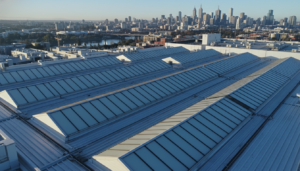
What Is Commercial Flat Roofing?
Commercial flat roofing refers to roof systems that have a low pitch (typically close to flat), commonly found on commercial and industrial buildings. While these roofs may look level, they should still be designed with controlled fall to direct water toward drains, gutters, or sumps.
Flat roofs are common across Melbourne’s south because they allow for:
- Efficient building design and usable rooftop space
- Installation of HVAC units, ducting, and solar systems
- Large-span coverage across warehouses and commercial facilities
- Consistent rooflines across modern developments and retail precincts
However, because flat roofs drain more slowly than pitched roofs, waterproofing quality and drainage design are non-negotiable. Even minor installation errors can lead to repeated water ingress over time.
Why Flat Roofs Fail in Melbourne South
Melbourne’s southern suburbs cover a wide range of environments—from bayside coastal zones through to major industrial estates and transport corridors. Flat roof systems in these areas face specific risk factors that increase failure rates if they are not designed and maintained correctly.
Heavy Rainfall and Water Load on Flat Roofs
Flat roofs are exposed to heavy rainfall events where large volumes of water can pool quickly. When a roof has inadequate fall, blocked drains, or undersized drainage capacity, ponding water becomes a long-term problem.
Ponding water increases the risk of:
- Membrane breakdown and water ingress
- Rust and corrosion on metal roof decking
- Overflow into internal ceiling cavities
- Structural stress under prolonged water load
Drainage Failure and Blocked Outlets
One of the most common causes of leaks in commercial flat roofing Melbourne south is poor drainage design or maintenance. Flat roofs rely on drainage points that must remain clear and functional year-round.
In industrial and commercial precincts, debris build-up can occur quickly from:
- Dust and airborne particles
- Leaf litter from nearby landscaping
- Storm debris and roof wash-down residue
- Build-up around rooftop plant and ducting
Coastal Moisture and Salt Exposure (Bayside Areas)
Commercial buildings in bayside Melbourne south corridors such as Mentone, Mordialloc, Chelsea, Edithvale, Aspendale, Seaford and Frankston can experience elevated salt exposure and coastal winds. Salt accelerates corrosion in roof edges, fasteners, flashings, gutters, and drainage outlets.
If a flat roof system is installed using low-grade fixings or incorrect flashing detailing, corrosion can compromise waterproofing sooner than expected.
Temperature Extremes and Thermal Movement
Flat roofing systems across large commercial buildings experience constant expansion and contraction. Over time, this movement can cause:
- Splits in membranes at seams and joins
- Movement around penetrations and upturns
- Cracks in sealant that were never meant to be the primary waterproofing layer
This is especially common in warehouses and retail centres with large roof surfaces exposed to direct sun.
Commercial Flat Roofing Solutions We Provide
We deliver a complete range of services for commercial flat roofing Melbourne south properties. Our approach is to fix the root cause, not just treat the visible symptom.
Flat Roof Repairs
Flat roof repairs may be suitable if your roof is generally in fair condition but experiencing isolated problems such as leaks, flashing failure, or localised membrane wear.
Flat roof repair work can include:
- Sealing and re-detailing membrane joins
- Repairing roof penetrations and upturn flashings
- Replacing damaged roof sheets or decking sections
- Drainage inspection and overflow corrections
- Localised waterproofing restoration
We focus on creating durable repairs that hold up during storms and heavy rain rather than short-term sealant patches that fail again within months.
Flat Roof Replacement
When roof membranes have reached the end of their lifespan, repairs become repetitive and costly. Replacement may be recommended if you have:
- Recurring leaks across multiple areas
- Persistent ponding water issues
- Widespread corrosion or damaged decking
- Membrane deterioration and seam failures
- Previous “patch repairs” that no longer hold
Replacing a commercial flat roof is often the best long-term investment for buildings that require reliable weather protection and cannot afford operational disruption.
Flat Roof Waterproofing
Waterproofing is the heart of any flat roof system. We install and restore waterproofing solutions designed to prevent moisture ingress around the most vulnerable areas, including:
- Drain outlets, sumps and scuppers
- Parapet walls and perimeter edges
- Roof penetrations and plant bases
- Transition points between materials
By improving waterproofing performance, many commercial properties in Melbourne south can reduce leak risk significantly and extend roof lifespan.
Flat Roofing for Warehouses, Offices and Retail Buildings
Flat roof systems are used across most commercial building types in Melbourne south. However, each type of building has specific requirements and risk points that should shape how the roof is designed and maintained.
Warehouse Flat Roofing
Warehouse roofs often cover large areas with minimal pitch. That means water volume is high and drainage must be engineered correctly to avoid overflow issues. Warehouses also commonly have multiple roof penetrations for vents and skylights, which must be detailed to prevent leaks.
Office Building Flat Roofing
Office buildings need flat roofing systems that support tenant comfort and reduce disruption from maintenance. Insulation performance, waterproofing durability, and leak prevention around HVAC services are key priorities.
Retail and Shopping Centre Flat Roofing
Retail buildings often include complex roof layouts, plant decks, multiple transitions, and frequent roof traffic from service contractors. Flat roofs must be built with serviceability in mind while maintaining reliable waterproofing performance.
Why Choose Commercial Roof Restoration Melbourne?
Flat roofing failures cost businesses money. When a flat roof leaks, it impacts stock, staff safety, compliance, and day-to-day operations. We provide commercial-grade roofing solutions designed for long-term performance.
- Flat roof specialists for commercial and industrial properties
- Drainage-first approach to reduce ponding and overflow risk
- Strong waterproofing detailing at penetrations and roof edges
- Local Melbourne south knowledge including coastal and industrial risk signals
- Clear communication for owners, builders and property managers
If you’re serious about protecting your building, we’re ready to help with professional commercial flat roofing Melbourne south services.
Commercial Flat Roofing Systems Common in Melbourne South
Choosing the right system is a major part of getting long-term performance from commercial flat roofing Melbourne south. Flat roof buildings can be constructed with different substrates and waterproofing layers, and each option has strengths depending on the building type, exposure level, and roof traffic requirements.
At Commercial Roof Restoration Melbourne, we assess your existing roof structure, drainage setup, and risk areas before recommending the most suitable flat roofing solution. The goal is always the same: deliver a watertight roof with durable detailing, long service life, and predictable maintenance costs.
Metal Deck Flat Roofing
Many industrial and commercial properties across Melbourne south use metal roof decking on low-pitch designs. These roofs can be extremely durable, but they must be installed with correct fall and properly sealed laps to prevent slow leaks that develop over time.
Metal decking is commonly used for:
- Warehouses and logistics buildings
- Workshops and manufacturing facilities
- Large-span commercial sites
- Industrial units in business parks
When metal deck roofs fail, the issues are usually caused by aged fasteners, corrosion around edges and penetrations, or water pooling that accelerates rust. Correct repairs and replacement strategies focus on restoring the full drainage and waterproofing performance rather than patching isolated spots.
Sheeting + Flashing Flat Roof Transitions
Many “flat roofs” in commercial buildings are not fully flat across the entire structure. They often include low-pitch sections combined with parapet walls, step-down roof areas, or transitions into box gutters and skillion roof sections.
These transition zones are a major source of leaks in commercial flat roofing Melbourne south because they contain:
- Multiple join points between materials
- Changes in roof fall direction
- Flashings that move with thermal expansion
- Drainage points that can block and overflow
A flat roof is only as reliable as its weakest transition detail. That’s why our work prioritises correct flashing design and installation in every high-risk junction.
Ponding Water: The #1 Problem in Flat Roof Performance
Ponding water is one of the most common issues we see across Melbourne south commercial roofs. Even small areas of “standing water” place constant pressure on waterproofing systems, seams, and sheet overlaps.
Over time, ponding water contributes to:
- Accelerated membrane breakdown
- Rust development on metal substrate
- Water ingress into insulation layers
- Internal ceiling damage and mould
- Long-term structural deterioration
Many building owners accept ponding as “normal” on flat roofs, but in reality, consistent standing water is a warning sign that drainage, fall design, or outlets may need improvement.
How We Fix Ponding Water on Commercial Flat Roofs
Fixing ponding water is not about applying more sealant. The correct approach depends on why water is not clearing. Our solutions may include:
- Improving roof fall direction to drainage points
- Upgrading outlet positioning and downpipe capacity
- Restoring blocked drains and ensuring free flow
- Installing overflow measures to prevent internal flooding
- Replacing failed sections where the substrate has sagged
A flat roof can still be reliable, but only when water control is treated as the priority.
Flat Roof Drainage Design: Gutters, Sumps and Overflows
Drainage is the backbone of a successful flat roofing system. Commercial roofs in Melbourne south often cover large surface areas, meaning even moderate rainfall can create significant runoff volume.
When drainage is undersized or poorly planned, you can experience rapid overflow, internal leaks and costly water damage. This is particularly common for warehouses, factories and retail buildings where roof catchments are large and roof pitch is minimal.
Why Flat Roof Outlets Block So Easily
Flat roof drainage outlets are vulnerable to blockages due to:
- Leaves and organic debris from landscaping
- Dust build-up common in industrial precincts
- Storm debris during high wind events
- Roof traffic pushing debris into outlets
Blocked outlets cause water to build up quickly, increasing ponding and putting pressure on seams and waterproofing joins. In some cases, overflow can enter internal roof spaces before it becomes visible inside the building.
Overflow Measures to Protect Your Property
Flat roofs must have overflow measures designed to prevent water backing up into the building. A reliable commercial flat roofing Melbourne south system includes overflow planning that accounts for:
- Peak rainfall and storm intensity
- Roof catchment size
- Outlet spacing and downpipe flow capacity
- Potential debris build-up risk
Overflow design is not optional on large commercial roofs. It is one of the most important elements in preventing catastrophic internal flooding and ceiling collapses.
Commercial Flat Roofing Maintenance for Melbourne South Buildings
Preventative maintenance is one of the smartest investments a commercial property owner can make. Flat roofs can last a long time, but only when inspections and minor repairs are completed before problems grow into major failures.
Our maintenance support for commercial flat roofing Melbourne south helps businesses reduce downtime and avoid expensive emergency call-outs during storm seasons.
What Flat Roof Maintenance Typically Includes
- Inspection of waterproofing joins and seams
- Checking penetrations, flashings and edge detailing
- Identifying early signs of ponding and fall issues
- Assessing corrosion zones and fastener integrity
- Reviewing guttering and drainage outlet performance
- Finding small leaks before they become internal damage
Flat roofs commonly fail gradually, not suddenly. The earlier issues are detected, the more affordable they are to fix.
Commercial Flat Roof Restoration vs Full Replacement
Business owners often ask whether their roof can be restored or if it must be replaced. The correct answer depends on the roof’s current condition, age, structural integrity and the extent of waterproofing breakdown.
When Flat Roof Restoration Is the Right Option
Restoration may be suitable if:
- The roof structure is stable and not severely rusted
- Leaks are localised rather than widespread
- Drainage can be improved without major reconstruction
- The roof system still has usable life once waterproofing is repaired
Restoration is often a practical option for commercial buildings that want improved waterproofing and leak prevention without the cost of a full replacement.
When Flat Roof Replacement Is the Better Investment
Replacement may be recommended when:
- Waterproofing has failed across multiple areas
- Corrosion has spread throughout the roof deck
- Ponding water issues cannot be corrected with restoration
- Repairs have been repeated over several years with no lasting result
- The roof no longer meets operational requirements of the building
A replacement gives building owners long-term certainty and can significantly reduce future maintenance costs when designed and installed correctly.
Why Businesses Trust Commercial Roof Restoration Melbourne
Commercial flat roofing requires specialist workmanship. Unlike pitched roofs, flat roofs rely heavily on waterproofing detailing, drainage performance, and correctly managed penetrations. If these elements are not done right, leaks will continue.
Our team provides practical, commercial-grade solutions for Melbourne south properties because we understand what these buildings require to stay watertight year after year.
- Flat roofing expertise for commercial and industrial buildings
- Drainage-first planning to reduce ponding water and overflow risk
- High attention to detailing around edges, penetrations and roof transitions
- Local Melbourne south understanding including coastal and industrial exposure
- Clear communication with owners, facility managers and builders
FAQs
What is the best material for commercial flat roofing in Melbourne south?
The best solution depends on your building type, roof structure, drainage layout and exposure level. Many Melbourne south commercial buildings use low-slope metal decking or waterproof membrane systems, with the key factor being correct installation and drainage performance rather than just the material choice.
Why does my flat commercial roof keep leaking after repairs?
Recurring flat roof leaks often happen when repairs only treat the symptom and not the root cause. Common causes include ponding water, blocked drainage outlets, failing flashing details at penetrations, and long-term waterproofing breakdown across seams and joins.
Is ponding water normal on a flat commercial roof?
Occasional short-term water presence after heavy rain can happen, but persistent ponding is a sign that drainage or roof fall may be inadequate. Long-term standing water increases waterproofing breakdown risk and should be addressed to protect your building.
How often should a flat commercial roof be inspected?
Most commercial flat roofs should be inspected at least annually, and more frequently for buildings with heavy roof traffic, high drainage debris risk, or locations exposed to coastal winds and storms. Preventative inspection helps identify issues early and reduces unexpected failures.
Can you waterproof around air-conditioning units and roof penetrations?
Yes. Roof penetrations are one of the most common leak points on flat roofs. We repair and upgrade waterproofing details around HVAC bases, ducting, vents, skylights and other services to reduce leak risk long-term.
When should I replace a commercial flat roof instead of restoring it?
Replacement is often the best option when waterproofing failure is widespread, corrosion is advanced, or the roof deck has deteriorated. If repairs have been repeated for years with no lasting outcome, replacement can provide a stronger, more reliable long-term result.
Get a Quote for Commercial Flat Roofing Melbourne South
If you need reliable commercial flat roofing Melbourne south, Commercial Roof Restoration Melbourne can help with inspections, repairs, restoration, waterproofing, and full roof replacement solutions.
To get started, visit our homepage:
https://commercialroofingvic.com.au
Contact Us Now for a Free Quote